NURSERY SCHOOL PROGRAM
Ages 2 – 5 years old
TSONS Nursery School is a half-day program running from 9:00am - 1:00pm.
(Check out our optional programs to extend the day until 3:00pm)
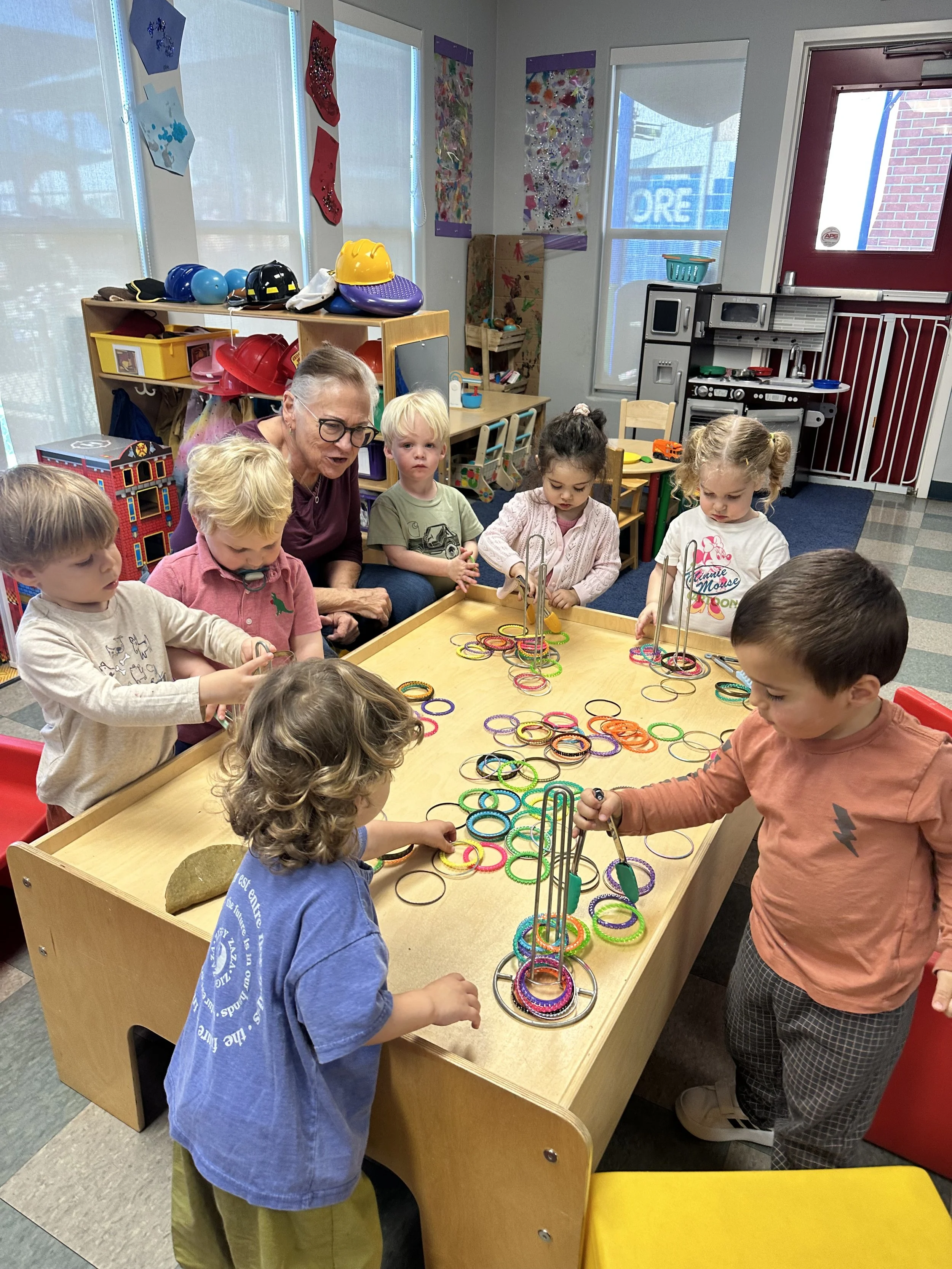
TSONS’ curriculum is designed to relate to the whole child cognitively, socially, emotionally, and physically. Activities are appropriate to each child’s age and stage of development. A consistent daily schedule gives children confidence in the structure of their day and fosters self-initiated and self-directed play, which are the best vehicles for growth and development during this age. The daily schedule provides a balance of activities such as indoor/outdoor, quiet/active, individual/group, large muscle/small muscle, and child initiated/staff initiated. The curriculum is “scaffolded”, meaning each class builds upon successes of the prior year.
Curriculum concepts, including language, math, science, art, music, or cooking activities, revolve primarily around themed units, the calendar, seasons, and holidays. There is no expectation that a child will reach a particular benchmark at the end of each year, merely that each child has progressed in an appropriate manner from where they started.
2 Year-Old Program
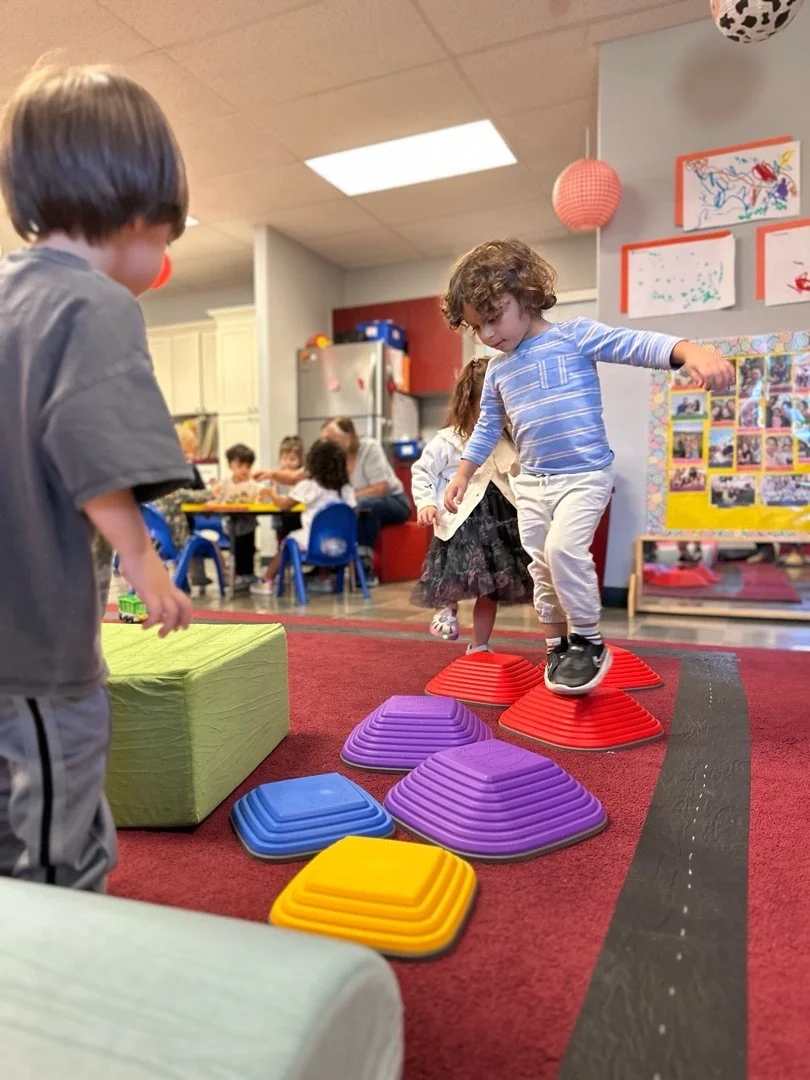
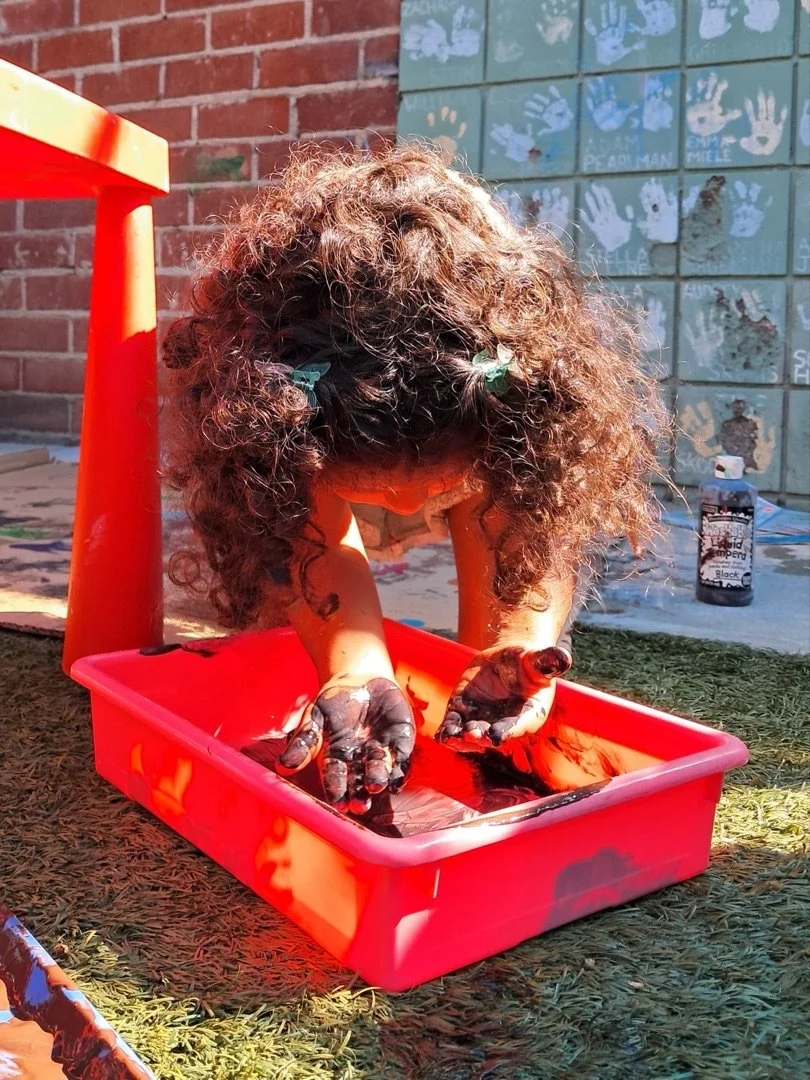
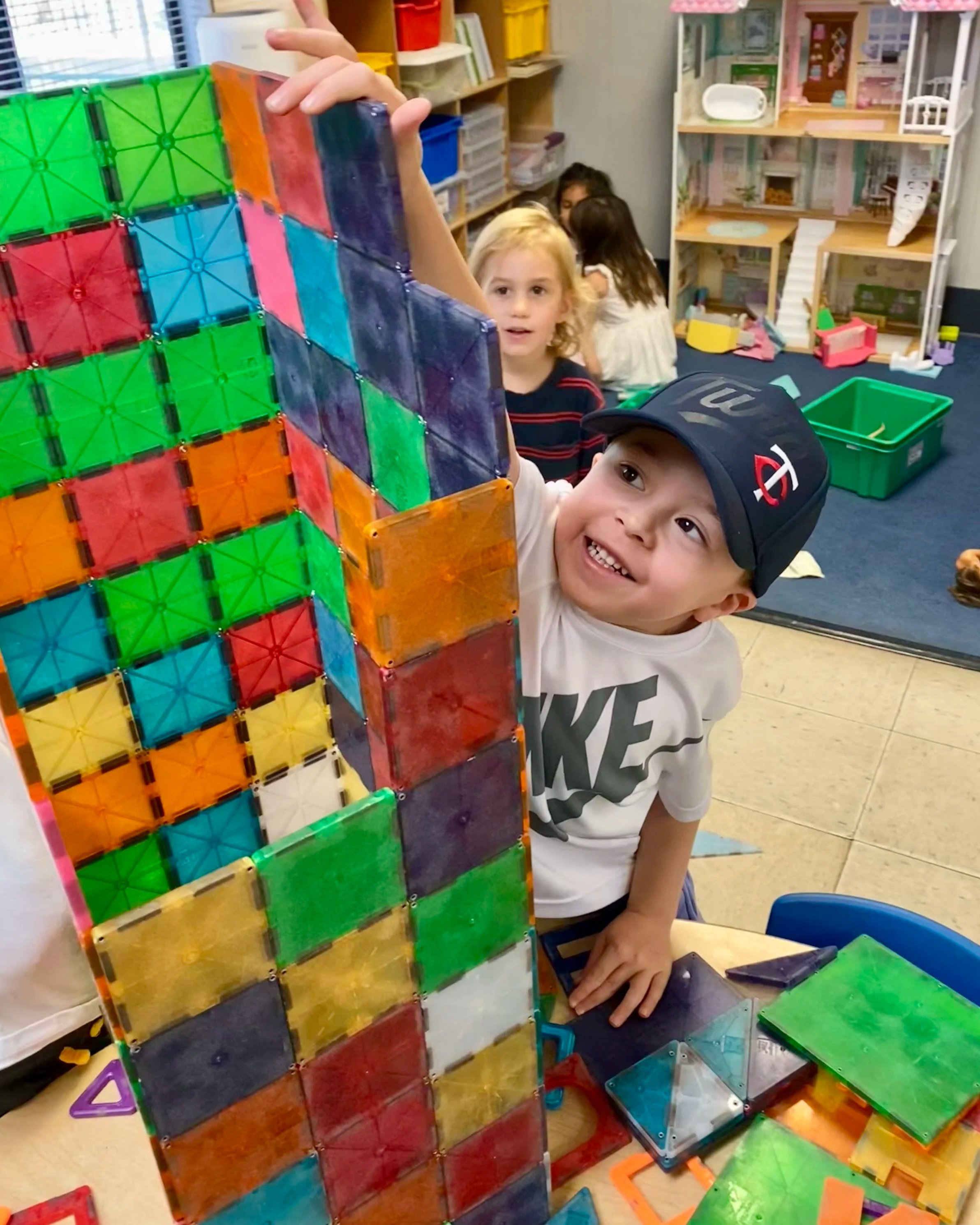
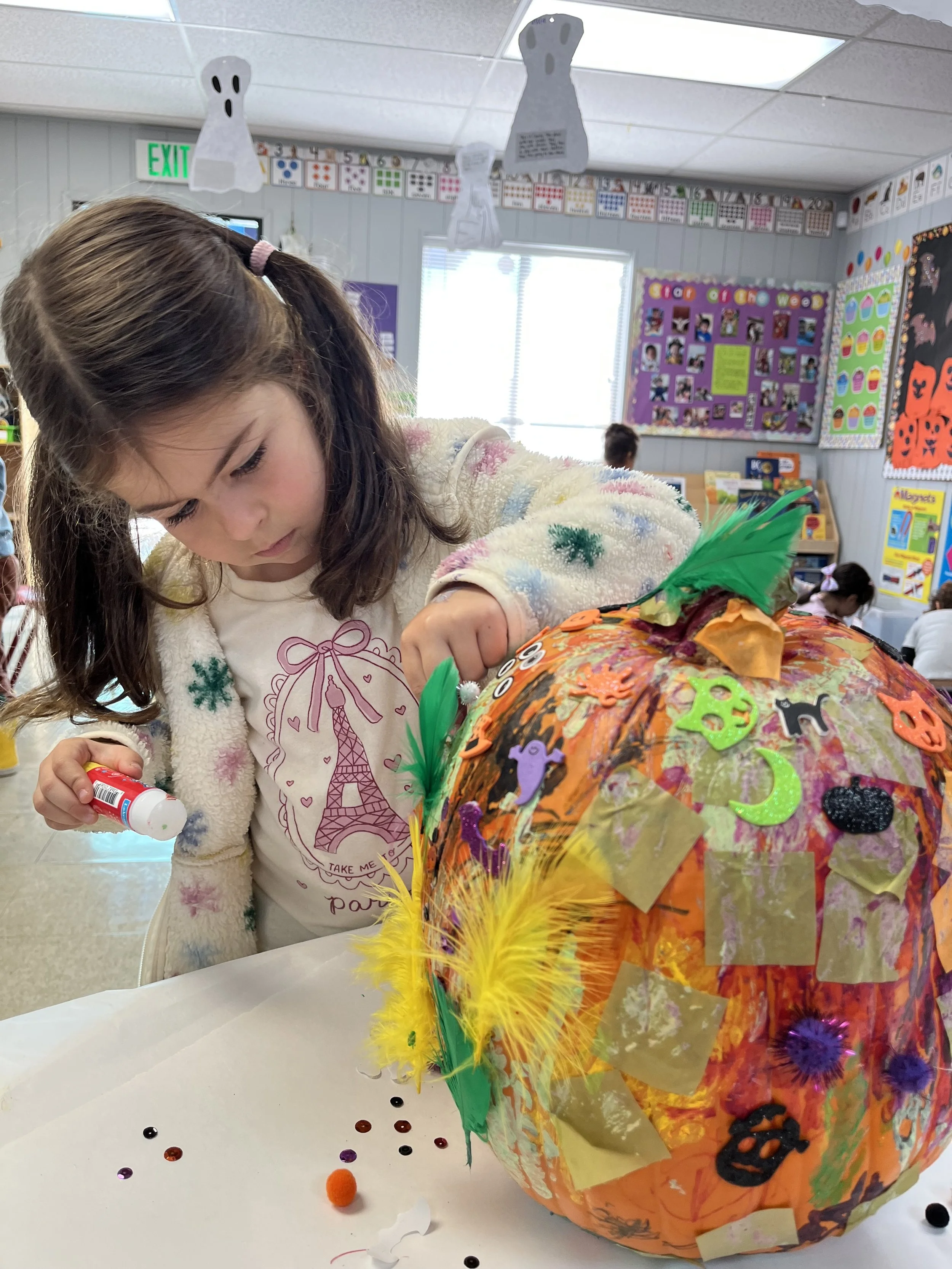
Children start our Nursery School program each September when they are between the ages of 2 years and 2 years and 8 months. Children this age may attend school 2 or 3 days a week either on Monday/Wednesday/ Friday or Tuesday/Thursday. Because these are our youngest nursery school students, they can attend school from 9:00am to 1:00pm or choose a 9:00am to 12:30pm schedule.
Pre-K Program:
Children who are 4 and 5 years old are in our Pre-K program and can attend school 3, 4 or 5 days a week.
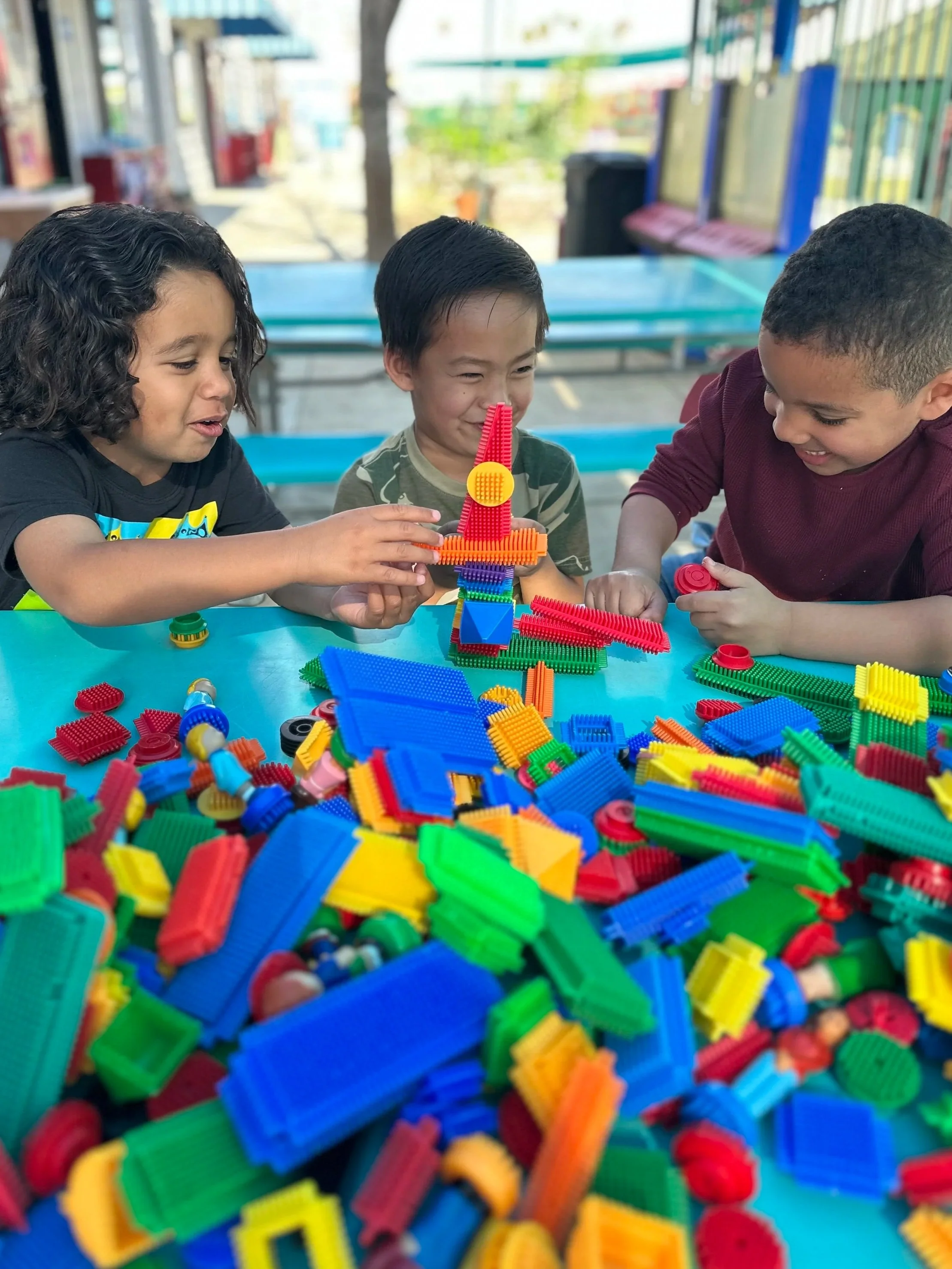
These students are building on the skills they learned during their first or second year and also beginning to prepare for kindergarten. Your children will begin sequencing longer, more complex directions and handling more interpersonal situations independently. During Pre-K there are greater behavioral expectations and more exposure to pre-academic activities and projects. Children begin working towards being able to self-regulate in the classroom. They will be putting on their own shoes, start to become independent in all aspects of the toileting process, caring for their belongings, and learning to manage disappointment, conflict, and other emotionally charged situations—all while being supported and nurtured by their teachers.
This year is also marked by a major emphasis on advancing their small muscle development with daily opportunities for fine motor practice. Daily learning centers include opportunities for cutting and writing. Each week a different letter of the alphabet will be highlighted with an introduction to its phonic equivalents, rhyming, and sequencing a story. Children are exposed to positional words and opposites as well as recognizing numerals, number values, comparing, and sorting—all critical skills for kindergarten.
3 Year-Old Program
Children who are almost 3 to 3 years and 11 months are placed in classrooms with children in 6 to 8 month age ranges. These children can be in either their first or second year of nursery school and can attend school 2, 3, 4 or 5 days a week.
More about our 2 and 3 year
old programs
Our Separation Process is a gentle one. We require one parent to spend the first day at school with their child, and then stay as long as you or your child requires. (Teachers will help you evaluate this based on your child’s needs).
As language skills emerge, children begin to use their words to have their needs met, to problem solve, and to engage in play with other children. They are also learning to take turns, wait for what they want, understand and express their feelings, sit on the rug, possibly begin to use the bathroom, listen to the teacher, and be part of a class.
Through play and class activities they are exposed to the concepts of pre-reading, counting, measuring, grouping, decision-making, balance, gravity, reasoning, cooperation, self-awareness, empathy, patience, self-esteem, self-expression, and feelings of competence and independence. Children are introduced to the “school readiness skills” of listening to the teacher, following directions, waiting for a turn, answering appropriately, and most of all being excited about the learning process.
Teaching the concept of discipline is an important part of early education. We set behavioral limits and expectations which are developmentally appropriate. When a child exhibits behavior that is not safe (e.g. that may harm others), a teacher will address the situation quickly with an appropriate response. Depending on the child and the situation, a teacher will use one of the following methods: a positive reinforcement system, redirection, “Take a Break”, have them sit down for a few minutes, or—as a last resort—separate them from the group. Our goal is not to punish, but to correct a negative behavior.